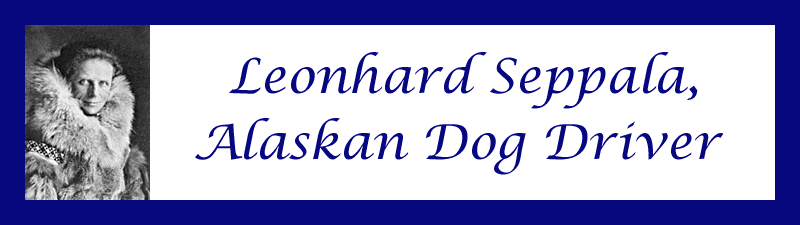
IN 1925 THE CITY OF NOME was threatened by a midwinter diphtheria epidemic. Seppala became the crucial figure in the delivery by dogsled of a supply of antiserum via an otherwise impassable route between Nenana and the stricken city. Seppala set out from Nome, met the driver carrying the serum from Nenana more than halfway, and returned immediately by night across Norton Sound, traveling 340 miles over treacherous sea ice and through blizzard conditions to bring the serum back. (Other relay teams involved in the delivery included that of Gunnar Kaasen who made the final leg with cull dogs of Seppala's that he had left behind; none of the other teams made more than 53 miles of travel at most.)
The leader of the Serum Drive team had been Togo, and Sepp was outraged at the publicity given to "newspaper dog" Balto who had led the Kaasen team, feeling that the credit had been stolen from Togo who had deserved to be considered the hero of the run. Also along on the Serum run was the ageing Scotty, who had led Sepp's All-Alaska Sweepstakes team ten years previously in 1915. Sepp states that the Serum Drive was Togo's last long run, and that in that drive he had worked his hardest and best. If the Serum Drive finished Togo, it must have been harder yet for Seppala's old Sweepstakes leader.
The following year, on the strength of publicity consequent to the Nome Serum Run, Seppala embarked on a tour of the 'Lower 48' with 44 dogs and an Inuit handler, Theodore Kingeak. His tour finished in the State of Maine in 1927 with a challenge race in Poland Spring against Arthur Walden, breeder of 'Chinook' dogs and author of A Dog-Puncher on the Yukon. Seppala won the race, and afterward started the first historic 'Seppala Kennels' in Poland Spring in partnership with a former driver of Chinooks, Mrs. Elizabeth Ricker.